Sign up for Lesson Plans, discounts & more!
Amethyst
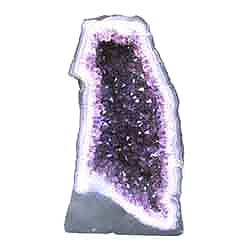
Silicon dioxide SiO2
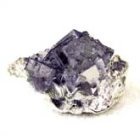
Amethyst is a variety of quartz and owes its purple color to the presence of iron. It is composed of silicon dioxide SiO2. It has a hardness of 7 on the Mohs Scale and is transparent to translucent. The color of amethyst is heat sensitive. It will turn yellow when exposed to heat. Commercially available citrine is often amethyst that has been heat treated.
Amethyst has had a universal appeal throughout history and in many cultures, both for its beauty and its spiritual properties. At one time it was valued with the most precious gemstones: diamond, sapphire, ruby and emerald.
In more recent times it has lost much of its value due to the discovery of extensive deposits in Brazil. Though Brazil produces most of the world’s amethyst, the crystal from Uruguay has richer color and is sought after by both jewelers and collectors.
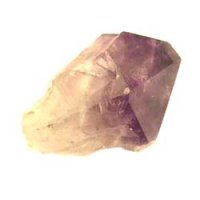
Known as the sobriety stone and associated with the Greek god Dionysus, amethyst is recognized for its general calming affect. The Greeks and Romans carved wine goblets from amethyst, believing that it could prevent intoxication.
Mineral Properties
Chemical formula: Silicon dioxide SiO2
Color(s): lilac, purple, mauve
Streak: white
Luster: vitreous, glassy
Transparency: transparent to translucent
Crystal system: triagonal
Specific Gravity: 2.6
Hardness (Mohs): 7
Cleavage: none
Fracture: conchoidal
Uses: jewelry and mineral specimens
Location: North and South America, Europe, Africa
Birthstone: February
Buy Amethyst Here
Back to Gallery of Minerals
Amethyst Healing Properties and Metaphysical Lore
Healing Properties and Metaphysical Lore
- Brow and Crown Chakras
- Enhance psychic powers, increase spirituality
- Stress relief: meditative, calming
- Physical: cleansing organs (liver, kidney), blood, circulatory and immune systems
- Pain reduction including headaches, arthritis, grief
- Helps overcome addictions

INTERESTED IN MORE? IF SO, YOU MAY WANT TO CHECK OUT OUR OTHER SITES:
fossilicious.com - Our online fossil and mineral rock shop.
fossils-facts-and-finds.com - An educational site about fossils.