Sign up for Lesson Plans, discounts & more!
Rocks And Minerals Blog
Welcome to The www.rocksandminerals4u.com Site Blog. Here you will find the newest additions to www.rocksandminerals4u.com, including lesson plans and student activities on rocks, minerals, and earth science.
There are distinct advantages to blogging.
- First, by subscribing the blog is delivered to you. No need to search the web or your bookmarks. If you have an rss reader installed on your computer that's where you will find your updates. No rss reader? No problem, Yahoo and MSN both offer free RSS services.
- Subscribing requires no personal information. Not even an email address. No spam!.
- To subscribe to the rocksandminerals4u.com Site Blog find the orange rss button under the navigation bar on the left and right click on it. If you need more information click on the text that says, "What's an RSS feed?
- Each blog entry has a headline with 1 or 2 lines of text and a link to the full text. This makes it very easy to scan for the topics that interest you the most. Welcome to Blogging!
Mar 21, 2023
Fossilized Gulf Stream Coral
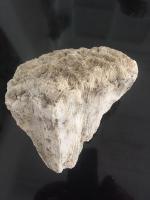
I have about 300 pieces of fossilized Atlantic Ocean corals. Rose- Brain and many others I’m interested in know more, about them. We have sold a few hundred
Mar 21, 2023
Daniel R. Valdes
I'm really not sure I see a lot of gold streaks silver streaks bronze. As far as I know it could be fool's gold or whatever that's why I'm contacting yo
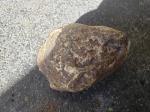
Mar 21, 2023
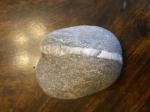
Help determine
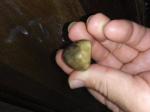
I sand off a. White crust off this rock and when u look closly on it it is covered entirly with little crystal or some glassy specks all over...
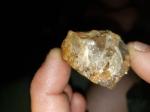
Oct 10, 2021
Earthquakes and Plate Techtonics
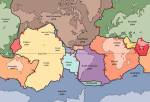
What Does Earthquakes and Plate Tectonics Have to Do With Each other ?
Sep 26, 2021
Lepidolite
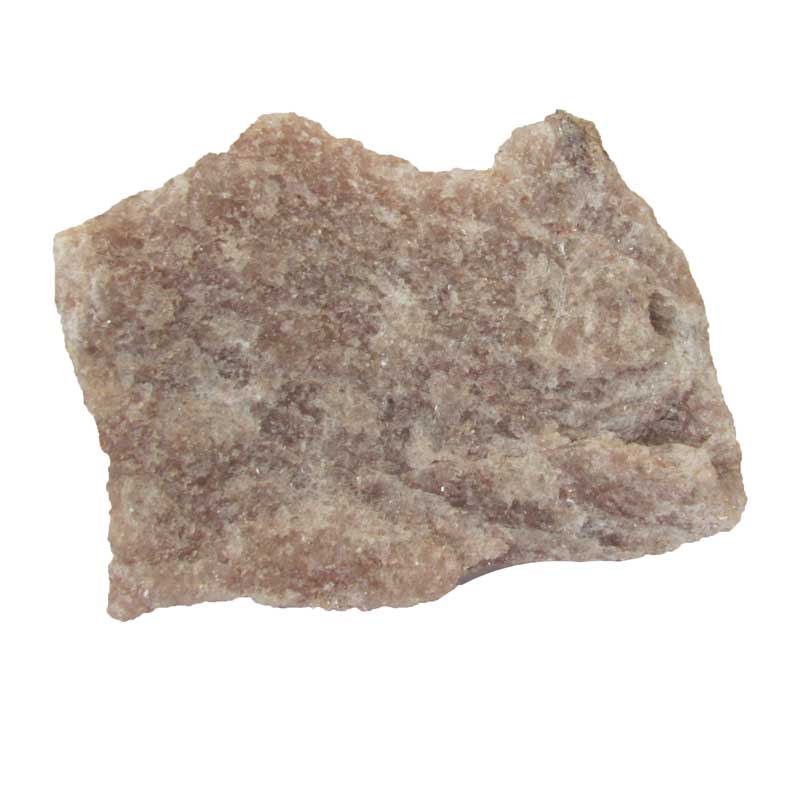
Lepidolite is a silicate mineral that comes in shades of pink, lilac, and purple-grey.
Sep 20, 2021
Kyanite
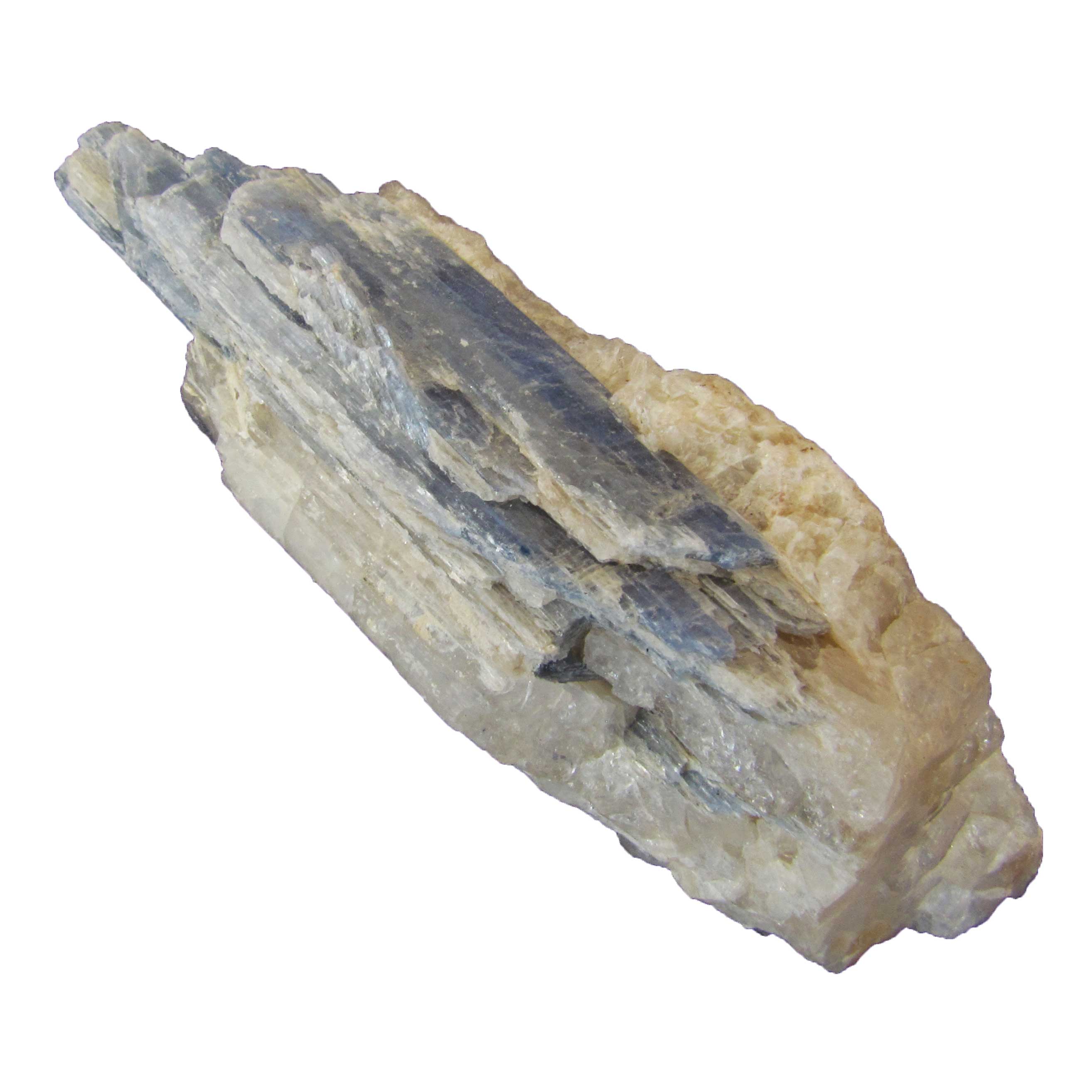
Kyanite is an uncommon aluminosilicate mineral typically found in metamorphic rocks.

INTERESTED IN MORE? IF SO, YOU MAY WANT TO CHECK OUT OUR OTHER SITES:
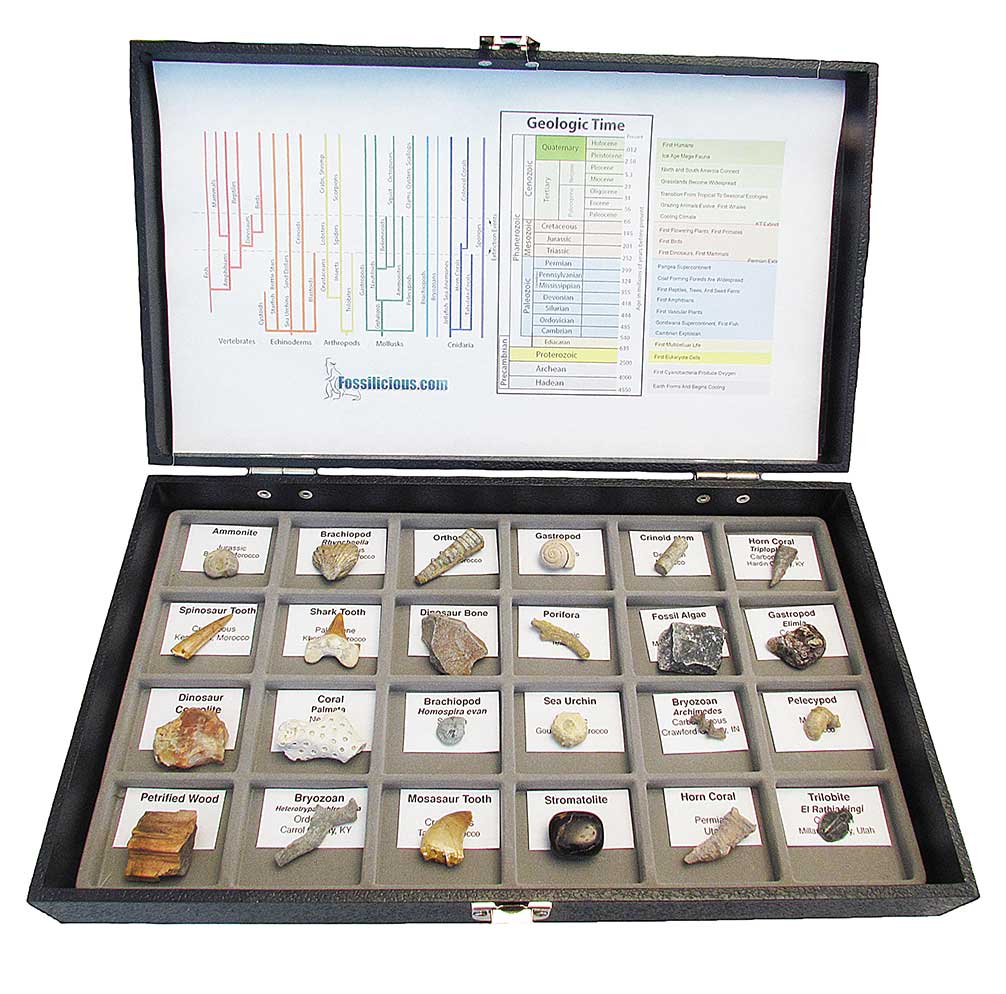
fossilicious.com - Our online fossil and mineral rock shop.
fossils-facts-and-finds.com - An educational site about fossils.