Sign up for Lesson Plans, discounts & more!
Igneous Rock Cycle
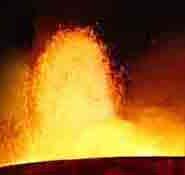
The term igneous rock cycle is not really a term at all, but in terms of
the rock cycle igneous rocks are the beginning place. All of the rocks
on the surface of our planet were at one time molten rock. Beneath the
thin rocky crust of the earth is the inferno of the mantle! This is the
origin of igneous rocks.
The Mantle
The mantle is the home of magma, the name of molten rock while it is still beneath the surface of the earth.
Igneous Rock Formation
Igneous
rocks are formed from this molten magma. These rocks form when the
magma cools and crystallizes. This can happen above ground as with lava.
It can also form below the surface when the molten rock rises in the
crust but does not reach the surface.
The Cooling Off Period
When the magma reaches the surface
it cools quickly, a matter of days or weeks. When the magma forms
pockets underground it cools much more slowly. This could take thousands
or even millions of years.
The rate at which the magma cools determines the kind of igneous rocks that are formed. Faster cooling surface lava creates rock that is fine grained or aphanitic. The rapid cooling doesn’t allow large crystals to form. In addition most of the gasses are driven off into the atmosphere.
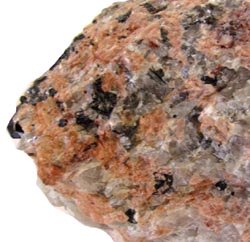
The slower cooling that takes place underground allows larger crystal formation. The Granite pictured above is an example of this type of rock formation.
Igneous Rocks Cycle
After
igneous rocks have been formed they can be transformed into metamorphic
or sedimentary rocks. They can even be re-melted to form new igneous
rocks. To find out about how these changes take place return to the rock cycle. Or
Find out more about igneous rocks


INTERESTED IN MORE? IF SO, YOU MAY WANT TO CHECK OUT OUR OTHER SITES:
fossilicious.com - Our online fossil and mineral rock shop.
fossils-facts-and-finds.com - An educational site about fossils.