Sign up for Lesson Plans, discounts & more!
The Mica Group
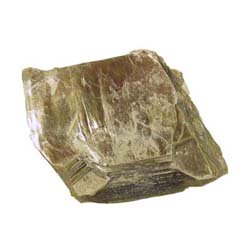
Mica is the name given to a group of silicate minerals that have silicon and oxygen as their two major components. The Mica family of minerals includes several variations based on chemical composition and characteristics. Below are just three of at least 11 common variations:
- Biotite
- muscovite
- boromuscovite
Classification
Mica is a metamorphic mineral. The many variations come from the diverse ways it formed. Mica formations are associated with volcanoes and hydrothermal vents.
Characteristics
The most easily recognizable characteristic are the thin crystal layers. With many micas the sheets peel off in thin transparent layers due to mica’s perfect cleavage.
The crystal structure is monoclinic with a somewhat hexagonal crystal shape. These two characteristics are due to the structure of the atoms that make up the mica group.
Mica also has a brilliant shininess that glitters and sparkles. In fact the name mica is believed to have come from the Latin word micare which means “to shine.” Mica is responsible for the flashes of light in composite rocks such as granite, gneiss, and slate.
Uses
Mica is often used as an insulator in electrical applications, but it is also valued for collections and artistic applications.
Mica deposits are widespread, being found on all the continents. Some of the larger deposits are found in Colorado, USA; Evje, Norway; and Minas Gerais, Brazil.
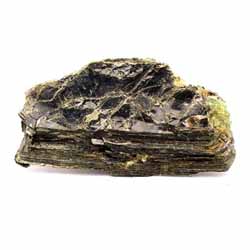
Chemical formula:Any of a group of hydrous potassium, aluminum silicate minerals.
Color(s): white,yellowish,green, gray
Streak: colorless
Luster: vitreous to pearly
Transparency: transparent, translucent, opaque
Crystal system: monoclinic
Specific Gravity: 2.8
Hardness (Mohs): 2.5 - 3
Cleavage: perfect
Fracture: uneven
Uses: As insulators in electronics
Location: mica is found in many rocks around the world. Noteable deposits are found in india, South Dakota,Russia, and Brazil.

INTERESTED IN MORE? IF SO, YOU MAY WANT TO CHECK OUT OUR OTHER SITES:
fossilicious.com - Our online fossil and mineral rock shop.
fossils-facts-and-finds.com - An educational site about fossils.